
The debate between automatic and manual motorcycles often sparks discussion among riders, with each type offering distinct advantages and catering to different riding styles and preferences.
Automatic motorcycles are designed to simplify the riding experience by eliminating the need for manual gear shifting. These bikes use systems like Continuously Variable Transmissions (CVT), dual-clutch transmissions, or belt-driven systems to automatically adjust gear ratios. This design makes them more accessible to new riders, as it reduces the learning curve associated with manual shifting. Automatic motorcycles are ideal for urban commuting, where frequent stops and starts are common. They also appeal to riders who prioritize convenience and ease of use over the engagement of manual control. With their smooth acceleration and hassle-free operation, automatic motorcycles have gained popularity among commuters and casual riders. They offer a practical choice for those seeking a stress-free motorcycling experience without compromising on performance or style.
Manual motorcycles, also known as standard or stick-shift bikes, require riders to actively engage with the gears using a clutch lever and gearshift. This traditional design gives riders full control over shifting, allowing for precise acceleration and deceleration. Manual bikes are often preferred by experienced riders who enjoy the tactile connection and responsiveness they provide. The clutch and gearshift mechanism enables riders to optimize power delivery, especially in dynamic riding conditions. While they require more skill and practice to master, manual motorcycles are celebrated for their direct feedback and performance capabilities. They remain the choice of purists and enthusiasts who value the hands-on experience of riding. For many, the manual transmission is an integral part of the motorcycling tradition and appeal.
Key Features Comparison
Automatic motorcycles feature a clutchless design with seamless gear shifts, while manuals require manual clutch operation and gear shifting, offering distinct riding experiences and mechanical engagement levels.
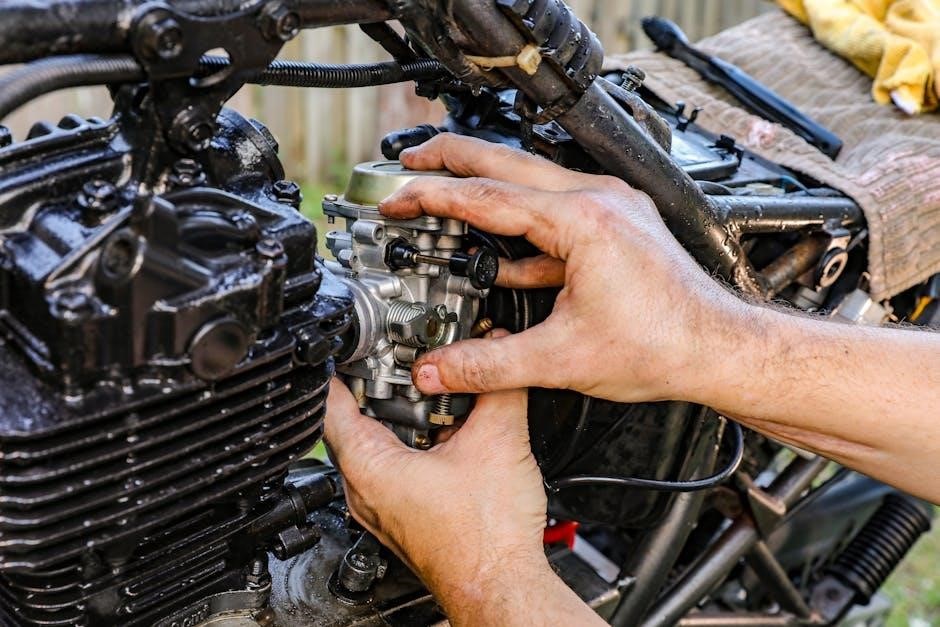
2.1 Key Features of Automatic Motorcycles
Automatic motorcycles are equipped with a continuously variable transmission (CVT) or dual-clutch systems, eliminating the need for manual gear shifting. They feature a clutchless design, allowing riders to focus solely on acceleration and braking. These bikes are ideal for urban commuting due to their ease of use and smooth acceleration. Automatic motorcycles often include features like instant torque delivery, low-maintenance transmission, and a more relaxed riding experience. They are typically heavier and less fuel-efficient compared to manual bikes but offer superior convenience, especially for new riders or those in heavy traffic conditions. The absence of a manual clutch also reduces rider fatigue during long commutes or in stop-and-go situations.
2.2 Key Features of Manual Motorcycles
Manual motorcycles feature a manual transmission system, requiring riders to shift gears using a clutch lever and gearshift. This setup provides precise control over acceleration and engine performance. Manual bikes typically have a 5- or 6-speed gearbox, allowing riders to optimize power delivery for varying conditions. They are generally lighter and more fuel-efficient than automatics, making them popular among enthusiasts. The manual clutch and gear system offers better connectivity to the bike’s mechanics, enhancing the riding experience. However, manual motorcycles require more skill and practice to operate smoothly, especially in heavy traffic. The physical engagement of shifting gears can also lead to rider fatigue on long journeys. Despite this, manual bikes remain the preferred choice for experienced riders seeking maximum control and performance.
Pros and Cons of Automatic Motorcycles
Automatic motorcycles offer ease of use and reduced rider fatigue but may lack the control and engagement of manual bikes, with potential trade-offs in performance and efficiency.
3.1 Advantages of Automatic Motorcycles
Automatic motorcycles are ideal for new riders, offering ease of use and a smoother learning curve. They eliminate the need for manual gear shifting, reducing rider fatigue and allowing focus on road awareness. The absence of a clutch lever makes handling easier, especially in heavy traffic or hilly terrain. Automatic bikes also provide seamless acceleration, enhancing comfort during commutes. Additionally, they require less maintenance compared to manual transmissions, as there’s no clutch system to wear out. This makes them a practical choice for urban riders. Furthermore, automatic motorcycles are more accessible to individuals with physical limitations, such as hand or foot mobility issues. Their simplicity and convenience have made them increasingly popular among commuters and casual riders seeking a hassle-free experience.
3.2 Disadvantages of Automatic Motorcycles
Automatic motorcycles have several drawbacks that may deter some riders. One major disadvantage is their typically lower fuel efficiency compared to manual bikes, which can increase operating costs. Additionally, automatic motorcycles are often heavier and more expensive than their manual counterparts, making them less appealing to budget-conscious buyers. The complex Continuously Variable Transmission (CVT) system can also lead to higher maintenance costs over time. Riders who enjoy the control and engagement of manual shifting may find automatic bikes less satisfying. Furthermore, automatic motorcycles often lack the engine braking provided by manual transmissions, which can be a disadvantage in certain riding conditions. Limited model options and a lack of customization also make automatic motorcycles less versatile for enthusiasts seeking a tailored riding experience.
Pros and Cons of Manual Motorcycles
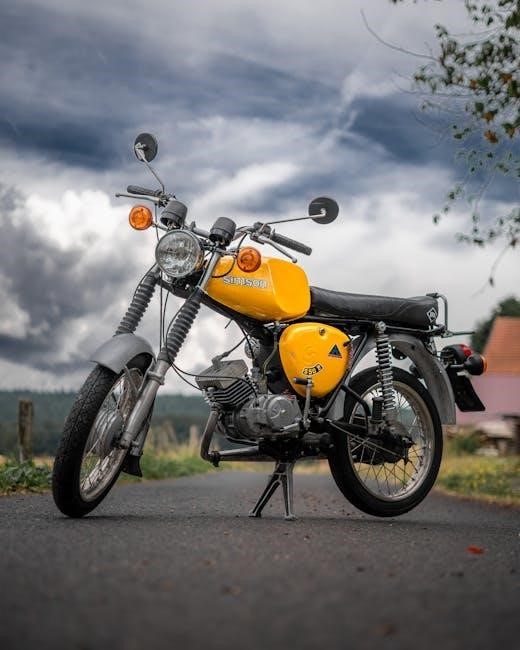
Manual motorcycles offer better fuel efficiency and control but require skill and effort, making them less accessible for beginners and more demanding in heavy traffic conditions.
4.1 Advantages of Manual Motorcycles

Manual motorcycles offer several advantages, including better fuel efficiency, as riders can control gear shifts to optimize engine performance. They provide more control over the bike, allowing for smoother acceleration and deceleration. Manual bikes often feel more connected to the road, giving riders a sense of engagement and mastery. Additionally, manual transmissions are typically lighter and less complex, which can result in lower purchase and maintenance costs. For experienced riders, manual motorcycles deliver superior performance and responsiveness, especially in dynamic driving conditions. They also encourage better situational awareness and riding skills, as constant gear adjustments keep riders actively involved. Overall, manual motorcycles are a popular choice for those who value precision, control, and the thrill of hands-on riding.
4.2 Disadvantages of Manual Motorcycles
Manual motorcycles require more skill and physical effort, as riders must constantly manage the clutch and gear shifts, which can be tiring on long rides or in heavy traffic. The learning curve for mastering a manual transmission is steep, making it less accessible to new or inexperienced riders. Additionally, the need to manually shift gears can be cumbersome in stop-and-go situations, increasing rider fatigue. Manual bikes also rely on the rider’s ability to coordinate clutch and throttle, which can lead to stalling if not done properly. Furthermore, the complexity of manual transmissions may result in higher maintenance costs over time compared to automatic models. For riders with physical limitations, such as hand or foot mobility issues, manual motorcycles can be challenging or even impractical to operate.

Riding Experience and Handling
The riding experience differs significantly between automatic and manual motorcycles. Automatics offer smooth, effortless acceleration, ideal for urban commuting, while manuals provide precise control and a more engaging ride.
5.1 Riding Experience with Automatic Motorcycles
Riding an automatic motorcycle offers a seamless and straightforward experience, ideal for new riders or those seeking convenience. The absence of a clutch and manual gear shifting allows for smooth, effortless acceleration. Riders can focus solely on braking and steering, making it easier to navigate through heavy traffic or urban environments. The automatic transmission ensures that the bike is always in the optimal gear, eliminating the need for manual adjustments. This simplicity reduces rider fatigue, especially during long commutes or in stop-and-go conditions. Additionally, automatic motorcycles provide a more relaxed riding experience, making them accessible to a broader range of riders, including those who may not be familiar with manual transmissions. The ease of operation and intuitive handling make automatic motorcycles a great choice for both beginners and experienced riders alike.
5.2 Riding Experience with Manual Motorcycles
Riding a manual motorcycle provides a more engaging and interactive experience, allowing riders to have full control over gear shifts and acceleration. The clutch and gear lever require deliberate input, creating a strong connection between the rider and the bike. This hands-on approach can be rewarding, especially for experienced riders who enjoy the thrill of mastering shifting techniques. Manual motorcycles often deliver better performance and responsiveness, particularly in dynamic riding conditions like twisty roads or open highways. However, the constant need to manage gears and the clutch can be tiring in heavy traffic or during long rides. Despite this, many enthusiasts prefer the tactile feedback and the sense of accomplishment that comes with riding a manual motorcycle, making it a popular choice for those who value precision and control.
Maintenance and Cost Considerations
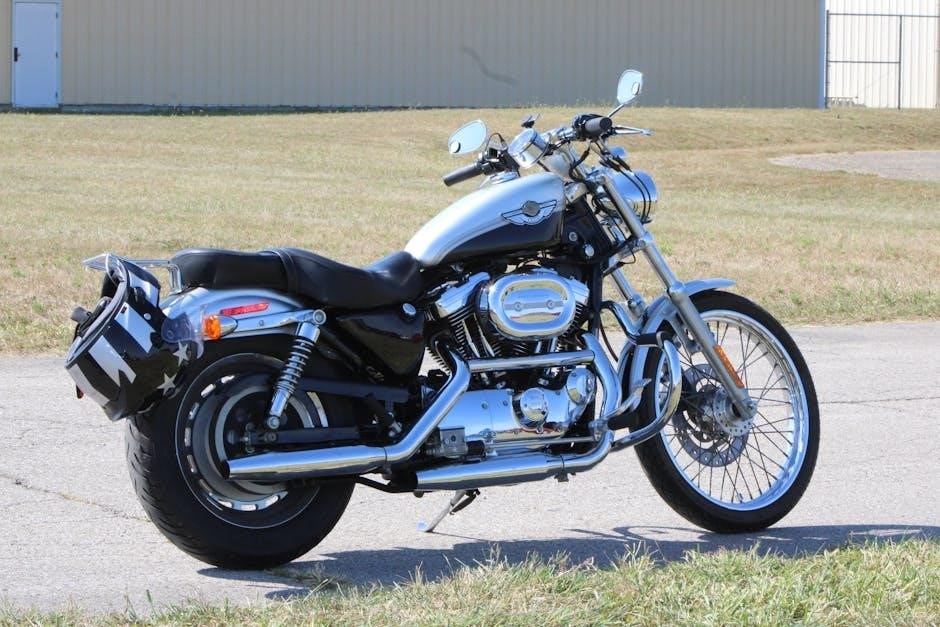
Maintenance and cost differences between automatic and manual motorcycles are significant, impacting long-term ownership and riding experience, with each type presenting unique financial and mechanical demands.
6.1 Maintenance Requirements for Automatic Motorcycles
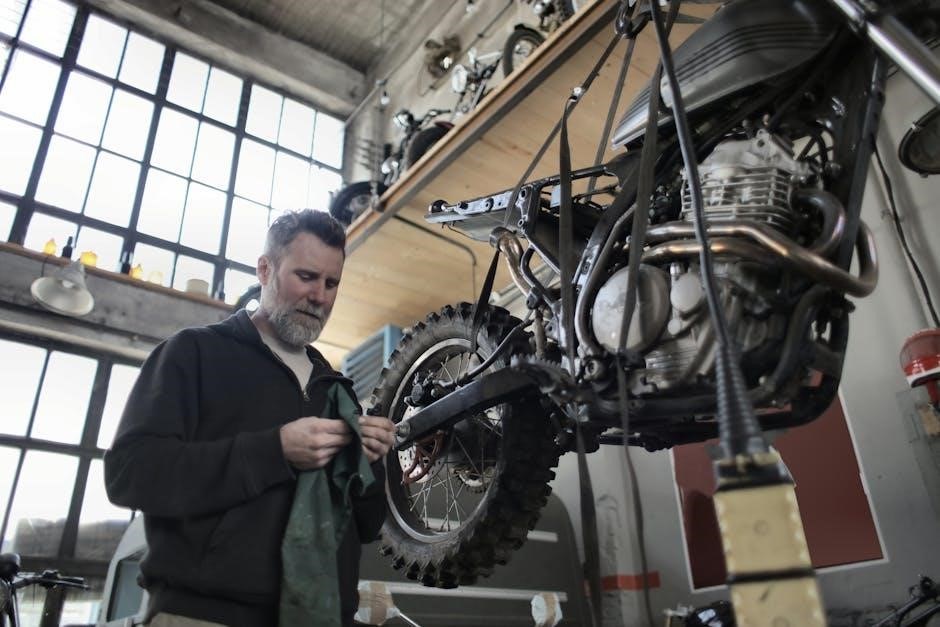
Automatic motorcycles generally require less frequent maintenance compared to manual bikes, as they lack a manual clutch and gear system. However, the transmission and drive system still need attention. Regular fluid checks and changes are essential for the automatic transmission to ensure smooth operation. The drive belt or chain, if present, should be inspected for wear and tension. Brake systems also require consistent maintenance, as automatic motorcycles are often used in stop-and-go traffic, which can wear down brake pads and fluid levels. Additionally, the hydraulic clutch system in some automatic models needs periodic inspection. Overall, while automatic motorcycles are less maintenance-intensive, proper care is still crucial for optimal performance and longevity.
6.2 Maintenance Requirements for Manual Motorcycles
Manual motorcycles require more frequent and hands-on maintenance compared to automatic models. The clutch system needs regular inspection and adjustment to ensure smooth shifting and prevent wear. The gear system, including the chain or belt drive, must be lubricated and checked for alignment. Brake systems also demand attention, as manual bikes often experience heavier use in varying conditions. Additionally, the manual transmission requires periodic fluid changes to maintain optimal performance. Riders should also monitor the condition of the shift lever and linkage for any signs of wear. Overall, manual motorcycles need more consistent upkeep to keep the clutch and gears functioning properly, making adherence to the manufacturer’s maintenance schedule crucial for longevity and reliability.
6.3 Cost Comparison: Automatic vs Manual
The cost comparison between automatic and manual motorcycles varies in several aspects. Automatic motorcycles generally have a higher initial purchase price due to their complex transmission systems. However, they often require less maintenance over time, as they lack a clutch and gear system that can wear out. Manual motorcycles, while cheaper to purchase initially, may incur higher maintenance costs due to the need for clutch replacements and adjustments. Fuel efficiency can also play a role, with manual bikes often being more economical in skilled hands. Insurance costs may differ slightly, with automatics sometimes being more expensive to insure. Ultimately, the long-term costs depend on usage, maintenance habits, and the rider’s ability to optimize fuel consumption. Both types have their financial advantages and disadvantages, making the choice dependent on individual priorities and riding styles.

Choosing the Right Motorcycle
Selecting between automatic and manual motorcycles depends on lifestyle, experience, and personal preference, ensuring the best fit for individual needs and riding conditions.
7.1 Who Should Opt for Automatic Motorcycles?
Automatic motorcycles are ideal for beginners, as they eliminate the need to manually shift gears, simplifying the learning process. They are also suitable for riders who prioritize convenience and ease of use, such as those navigating heavy traffic or preferring a more relaxed riding experience. Commuters who value simplicity and want to focus on road awareness will find automatic motorcycles advantageous. Additionally, riders with physical limitations or those who seek a low-stress option may prefer automatics. The ease of operation makes automatic motorcycles a great choice for new riders or anyone looking to enjoy the ride without the complexity of manual shifting.
- Beginners or new riders
- Commuters in heavy traffic
- Those prioritizing convenience
- Riders with physical limitations
7.2 Who Should Opt for Manual Motorcycles?
Manual motorcycles are best suited for experienced riders who enjoy the thrill of precise control and the connection to the bike. They are ideal for enthusiasts who value the performance and responsiveness that comes with manual shifting. Riders who frequently navigate twisty roads or participate in track days will appreciate the superior acceleration and control offered by manual transmissions. Additionally, those who enjoy the tactile experience of shifting gears and are comfortable with the added complexity may prefer manual motorcycles. This type of bike is also a great choice for riders who want to refine their skills and engage more deeply with the riding experience.
- Experienced riders seeking control
- Enthusiasts valuing performance
- Those who enjoy twisty or dynamic routes
- Riders who prefer the tactile experience
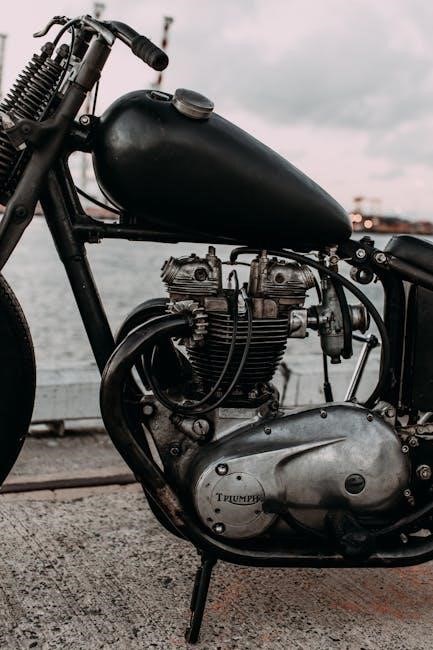
In conclusion, the choice between automatic and manual motorcycles depends on personal preferences, riding experience, and the intended use of the bike. Automatic motorcycles offer convenience and ease, making them ideal for urban commuting and new riders. On the other hand, manual motorcycles provide greater control and performance, appealing to experienced riders and enthusiasts. Both types have their unique advantages and disadvantages, and understanding these differences is key to making the right decision. By considering factors such as maintenance, cost, and riding style, riders can choose the motorcycle that best suits their needs and enhances their overall riding experience.
- Automatic: Best for convenience and ease
- Manual: Ideal for control and performance
- Choose based on experience and lifestyle