
Transitioning back to school can be exciting yet challenging. This guide offers expert tips, health advice, and strategies to ensure a smooth and successful school year for your child.

Preparing for the School Year
Establish a consistent routine, prepare clothes and backpacks in advance, and organize school supplies to ensure a smooth transition and reduce first-day stress for your child.
Tips for Parents to Ease the Transition
Helping your child transition smoothly back to school requires thoughtful preparation. Start by establishing a consistent routine, including set times for sleep, meals, and homework. Encourage open communication by talking to your child about their feelings and expectations. Gradually introduce school-related activities, such as visiting the school or meeting teachers, to reduce first-day anxiety. Involve your child in decision-making, like choosing school supplies or planning outfits, to foster independence. Limit screen time before bed to ensure quality sleep, and prepare everything the night before to avoid morning chaos. By creating a supportive and organized environment, you can help your child feel confident and ready for the new school year.

Establishing a Back-to-School Routine
A consistent routine is key to a smooth transition back to school. Start by setting a regular sleep schedule, ensuring your child gets 9-12 hours of quality sleep each night. Establish a morning routine that includes time for breakfast, getting dressed, and packing essentials like backpacks and lunches. Designate a specific time and place for homework and study to create a focused environment. Encourage your child to prepare clothes and backpacks the night before to avoid last-minute stress. Gradually introduce these routines a week before school starts to help your child adjust. Limit screen time before bed to promote better sleep and include relaxing activities, like reading, to wind down. A well-structured routine helps reduce anxiety and ensures your child feels organized and ready for the day ahead.
Essential School Supplies Every Student Needs
Ensuring your child has the right school supplies is crucial for their success. Start with the basics: a sturdy backpack, lunchbox, and reusable water bottle. Notebooks, pens, pencils, erasers, and a calculator are must-haves for daily tasks. Add a ruler, glue stick, scissors, and highlighters for arts and crafts projects. Don’t forget folders, binders, and dividers to keep assignments organized. A USB drive is handy for saving digital work. Labeling supplies with your child’s name helps prevent losses. Involve your child in shopping to teach responsibility and let them choose colors or patterns they like. Having the right tools ensures your child is prepared and confident for the school year ahead.
Morning Preparation Hacks for Families
Mornings can be chaotic, but with the right strategies, your family can start the day smoothly. Prepare as much as possible the night before—pack backpacks, lay out clothes, and plan meals. Create a checklist for your child to ensure they don’t forget essentials like homework or lunch. Establish a consistent wake-up routine, allowing extra time for unexpected delays. Simplify breakfast with quick, nutritious options or prep meals in advance. Designate a spot near the door for keys, shoes, and bags to avoid last-minute searches. Encourage kids to take ownership of their morning tasks to foster independence. Finally, leave a little buffer time for unexpected challenges, ensuring everyone arrives calm and ready for the day ahead.

Health and Wellness for Students
Prioritize sleep, balanced nutrition, and regular physical activity to support academic performance. Foster mental well-being through stress management and positive habits, essential for students’ overall success.
Importance of Sleep for Academic Success
Sleep plays a crucial role in a student’s ability to learn and succeed academically. Research shows that children need 9-12 hours of quality sleep each night to support brain function, memory consolidation, and focus. Lack of sleep can lead to decreased concentration, lower grades, and increased stress levels. Establishing a consistent bedtime routine helps regulate sleep patterns, ensuring students are well-rested for the school day. Limiting screen time before bed and creating a calming environment can improve sleep quality. Prioritizing sleep is essential for students to perform at their best and maintain overall well-being throughout the school year.
Healthy Eating Habits for School Days
Nutrition is essential for students’ energy, focus, and overall performance. Encourage healthy eating habits by preparing balanced meals and snacks rich in fruits, vegetables, whole grains, and lean proteins. Involve your child in grocery shopping and meal planning to teach them about making nutritious choices. Pack lunches with variety to ensure they get essential vitamins and minerals. Avoid sugary snacks and opt for healthier alternatives like nuts or fruit. Teaching portion control and mindful eating can also promote better eating habits. A well-fed child is better equipped to handle the demands of the school day, supporting both academic success and physical health. By fostering healthy eating routines, you help your child develop lifelong habits that contribute to their well-being.
Staying Active and Fit During the School Year
Regular physical activity is crucial for students’ overall well-being and academic performance. Encourage your child to participate in sports, join school teams, or engage in after-school fitness programs. Even simple activities like walking or biking to school can make a big difference. Limit screen time and promote outdoor play to keep kids moving. Families can also stay active together by scheduling weekly outings, such as hiking or playing games in the park. A balanced routine of exercise and rest helps improve focus, energy levels, and mood. By prioritizing physical activity, you support your child’s health and set them up for long-term success. Make fitness a fun and inclusive part of your daily routine to foster a lifelong love of staying active and fit.
Mental Health Tips for Students
Prioritizing mental health is essential for students’ overall well-being and academic success. Encourage open communication by creating a safe space for your child to express their feelings. Teach stress management techniques, such as deep breathing or mindfulness, to help them cope with school pressures. Establish a consistent routine to provide a sense of stability and reduce anxiety; Foster a positive home environment by spending quality time together and engaging in relaxing activities. Monitor for signs of overwhelm or distress and seek professional support if needed. By promoting emotional resilience and self-care, you help your child navigate the school year with confidence and balance. Remember, mental health is just as important as academic achievement, and supporting it early can lead to long-term positive outcomes.
Academic Success Strategies
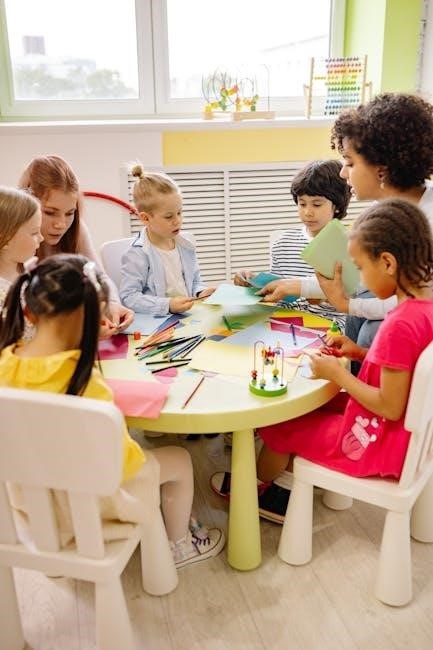
Organize study spaces, manage time effectively, and encourage a love for learning. These strategies help students stay focused, achieve goals, and build confidence for long-term academic success.
Organizing Homework and Study Spaces
Creating an organized study environment is crucial for academic success. Designate a quiet, clutter-free area for homework and studying. Use a homework caddy to keep essential supplies like pens, pencils, and notebooks within easy reach. Implement a filing system for assignments and projects to avoid lost work. Encourage your child to clean their study space regularly to maintain focus. Consider using a desk organizer or storage bins to keep materials tidy. A well-organized space helps reduce distractions, improves concentration, and fosters better time management skills; By involving your child in setting up their study area, you teach them responsibility and the importance of a structured learning environment. A organized space sets the foundation for a productive and successful school year.
Time Management Tips for Students
Effective time management is essential for students to balance schoolwork, extracurricular activities, and personal time. Start by using a planner or digital calendar to track assignments, deadlines, and events. Break larger tasks into smaller, manageable steps to avoid overwhelm. Prioritize tasks based on importance and urgency, focusing on high-priority items first. Establish a daily routine that includes dedicated blocks of time for studying, homework, and breaks. Minimize distractions by creating a quiet study environment and limiting screen time. Encourage your child to review their schedule weekly and adjust as needed. Teaching time management skills early helps students develop habits that will benefit them throughout their academic and professional lives. Consistency and flexibility are key to making the most of their time while reducing stress and improving productivity.
Encouraging a Love for Learning
Fostering a love for learning is crucial for a child’s academic and personal growth. Create a supportive environment by praising effort, not just results, to encourage a growth mindset. Engage your child in discussions about their interests and involve them in decision-making, such as choosing books or topics to explore. Make learning fun by incorporating hands-on activities, like science experiments or educational games, to spark curiosity. Encourage reading as a family and discuss what you’ve read to deepen understanding. Celebrate progress, no matter how small, to build confidence. By showing genuine interest in their education and making it enjoyable, you help your child develop a lifelong passion for learning. This approach not only enhances academic success but also nurtures creativity and critical thinking skills.
How to Handle Homework Effectively
Managing homework can be challenging, but with the right strategies, it can become a seamless part of your child’s routine. Create a dedicated study space free from distractions, ensuring it is well-lit and equipped with necessary supplies. Establish a consistent homework schedule, allowing your child to complete tasks before screen time or leisure activities. Encourage them to break larger assignments into smaller, manageable steps to avoid overwhelm. Teach time management skills, such as using a timer to focus for 25 minutes before taking a short break. Encourage your child to ask questions and seek help when needed, fostering independence while offering support. Praise effort and progress, not just results, to build confidence. Finally, maintain open communication with teachers to stay informed about assignments and provide additional resources if needed. By fostering a structured and supportive approach, your child will develop effective homework habits and a strong work ethic.
Family Involvement in Education
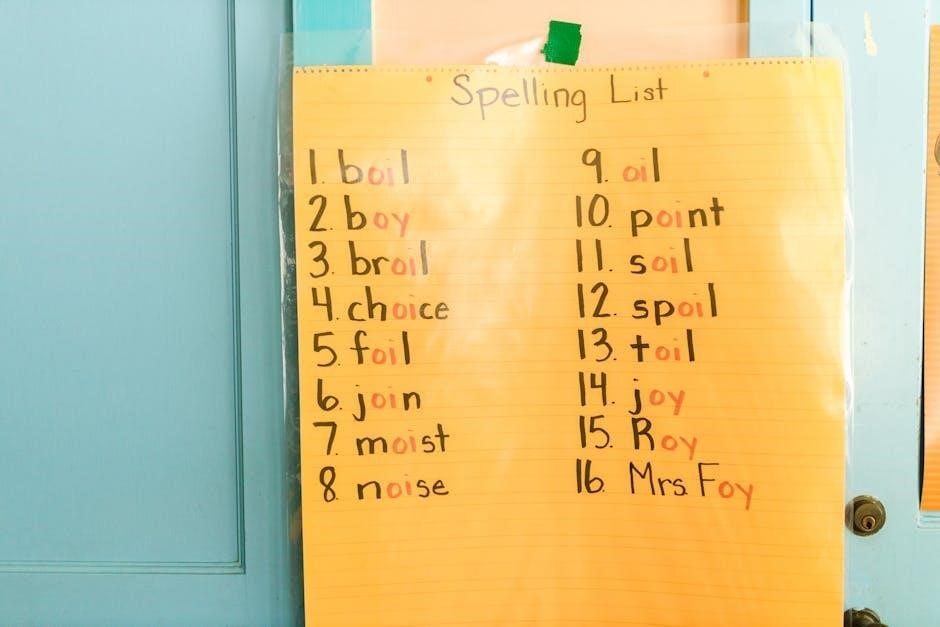
Family involvement in education is crucial for a child’s success. Active participation in school activities and open communication with teachers foster a supportive learning environment and positive academic outcomes.
Communicating with Teachers and Schools
Effective communication with teachers and schools is vital for your child’s academic success. Attend parent-teacher conferences and stay updated on your child’s progress through regular emails or school portals.
- Ask questions and share concerns to ensure your child’s needs are met.
- Volunteer in class or join parent-teacher associations to stay involved.
- Encourage open dialogue between your child and their teachers.
By maintaining strong communication, you create a collaborative environment that supports your child’s education and helps them thrive throughout the school year.
Creating a Supportive Home Environment
A supportive home environment plays a crucial role in your child’s academic and emotional well-being. Create a space that fosters learning, comfort, and open communication.
- Dedicate a quiet area for homework and study, free from distractions.
- Encourage organization by using calendars or planners for school tasks.
- Limit screen time and promote family bonding through shared activities.
- Stock up on essential supplies like notebooks, pens, and a dictionary.
- Involve your child in decision-making, such as meal planning or scheduling, to build independence.
By creating a structured yet nurturing environment, you help your child feel secure and motivated to succeed in school.

Involving Kids in Decision-Making Processes
Involving your child in decision-making helps build their confidence and independence, making the back-to-school transition smoother. Encourage them to take ownership of small choices.
- Let them pick out school supplies, such as backpacks or lunchboxes, to foster excitement.
- Allow them to help plan meals or snacks, teaching responsibility and healthy eating habits.
- Involve them in creating a morning routine or schedule, ensuring they feel in control.
- Encourage them to organize their homework or study space, promoting self-management skills.
By giving your child a voice in these processes, you empower them to feel more prepared and confident for the school year ahead.

Dealing with Back-to-School Challenges
Navigate first-day jitters, bullying, and adapting to new environments with open communication, consistent routines, and a supportive home environment to ensure a smooth transition for your child.
Managing First-Day Jitters and Anxiety
First-day jitters are common for both kids and parents. To ease anxiety, encourage open conversations about feelings and concerns. Visit the school or classroom beforehand to familiarize your child with the environment. Establishing a consistent morning routine can reduce stress and create a sense of control. Pack everything needed the night before to avoid last-minute chaos. Remind your child that it’s okay to feel nervous and that many others are experiencing the same emotions. Positive reinforcement and a supportive attitude can help build confidence. Encourage your child to ask questions and seek help when needed. Small steps, like meeting teachers or practicing the commute, can make the transition smoother. Remember, it’s normal for feelings to settle as routines become familiar.

Navigating Bullying and Social Conflicts
Navigating bullying and social conflicts is a critical part of ensuring a positive school experience. Open communication with your child is key—encourage them to share any concerns or incidents. Teach empathy and kindness to foster healthy relationships. If bullying occurs, document incidents and involve teachers or school administrators promptly. Schools often have anti-bullying policies in place, so familiarize yourself with them. Role-play social scenarios to help your child practice conflict resolution and assertiveness. Remind them it’s okay to seek help and that they’re not alone. Building a supportive network of friends, teachers, and family can make a significant difference. Stay proactive by attending school meetings and staying informed about policies. Creating a safe and inclusive environment requires collaboration between parents, schools, and students. By addressing these issues early, you can help your child build resilience and thrive socially.
Adapting to New School Environments
Adapting to a new school environment can be challenging for students, but there are ways to make the transition smoother. Start by visiting the school before the first day to familiarize your child with the layout and key locations like classrooms, restrooms, and the cafeteria. Meeting teachers and administrators beforehand can also help build a sense of comfort. Encourage your child to ask questions and express any concerns they may have. Establishing a consistent routine, such as arriving early or mapping out the best routes between classes, can reduce anxiety. Open communication with teachers and staff is crucial to address any issues promptly. Additionally, involve your child in decision-making, such as choosing extracurricular activities, to help them feel more connected to their new environment. By taking these steps, you can help your child build confidence and thrive in their new setting.